36°E Free-to-View Africa: reach and capacity in a DStv-anchored neighbourhood
OHRVISION delivers free-to-view channel distribution on the Eutelsat 36°E neighbourhood — a DStv-anchored African platform with 330 channels, 15 languages and more than 3.3 million pay-TV homes.
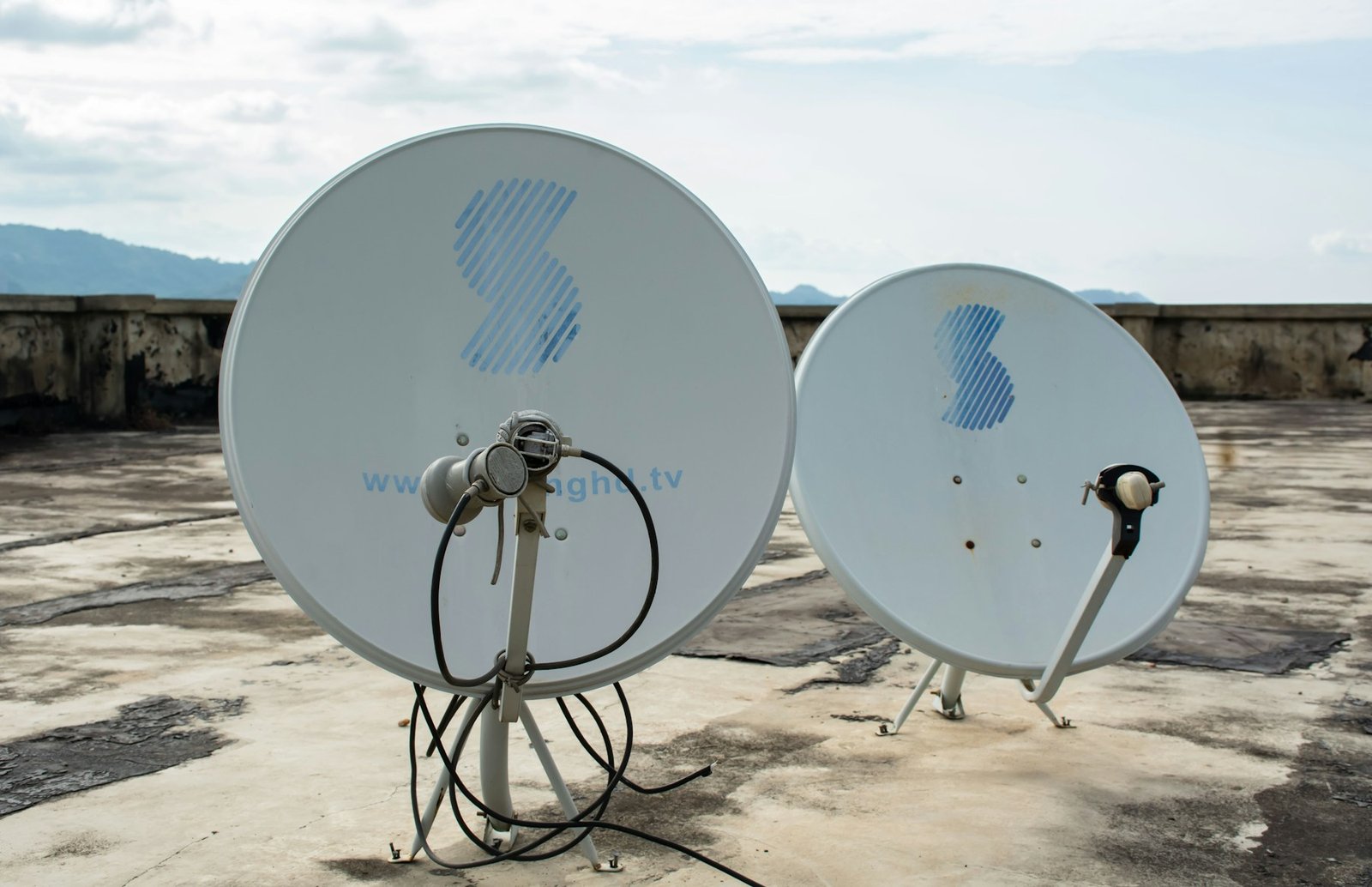
Eutelsat 36° East is one of Africa's most important direct-to-home positions. It is anchored by DStv, MultiChoice's pay-TV platform, and carries a broad mix of pay-TV and free-to-view channels across sub-Saharan Africa.
OHRVISION packages capacity, uplink, playout, encryption or FTV and monitoring into a managed service on 36°E. The target is straightforward: get a channel in front of African audiences on a platform they already use, with one team accountable for the signal chain.
The market at a glance
- +3.3M active pay-TV homes already on the 36°E DTH neighbourhood.
- 31 DStv, Canal+ and MultiChoice markets across sub-Saharan Africa.
- 330 channels carried at the position, including 65 HD channels.
- 15 languages, including English, French and local languages such as Swahili, Hausa, Yoruba and Amharic.
- +6.5% CAGR forecast for FTA DTH households (2026–2030).
- +3.2% CAGR forecast for traditional TV and home-video revenue (2026–2030).
Sources: Dataxis environmental data and TV forecasts, Eutelsat TV Observatory, Statista traditional TV and home-video data, and the Lyngsat channel reference, as of Q2/August 2026. Figures are indicative and subject to change.
Why 36° East
The 36°E neighbourhood combines reach, language coverage and an established pay-TV anchor. DStv's premium position — built on SuperSport's exclusive Premier League, Champions League and Springboks rights, Canal+ Sports, M-Net originals and 24 dedicated sport channels — has created a large, habitual DTH audience.
For a free-to-view channel, that matters. FTV can sit alongside premium pay-TV services, reaching viewers who already have the dish, the receiver and the habit of watching satellite television. The EUTELSAT 36D Africa beam is designed for high-power pan-African DTH coverage, with the bandwidth and flexibility to support a range of service types.
Coverage and languages
The footprint serves Cameroon, Ghana, Ivory Coast, Kenya, Nigeria and Tanzania, with pan-African reach across English- and French-speaking audiences. Local-language programming — Swahili, Hausa, Yoruba, Amharic and others — is part of the neighbourhood's mix.
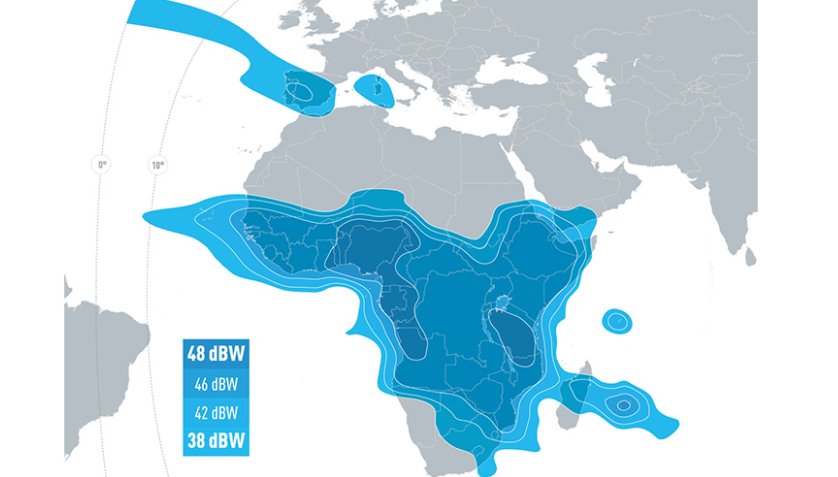
Indicative 36°E downlink footprint and contour levels. Coverage varies by beam, dish size and receiving conditions; confirm before planning.
The 36°E line-up spans 14 themes, from news and sport to entertainment, movies, music, religion, education and lifestyle. That breadth is useful context when positioning a new channel: the audience is already accustomed to a multi-genre, multi-language satellite offer.
What OHRVISION delivers
- Capacity and beam selection — the right 36°E capacity for the target countries, language mix and picture quality.
- Uplink and teleport — contribution, uplink and teleport coordination with redundancy options.
- Encoding and playout — SD, HD and 4K encoding, transcoding, multiplexing and playout integration.
- FTV or encrypted distribution — free-to-air carriage, conditional access and key management as required.
- EPG and platform coordination — channel metadata, numbering and platform liaison.
- Monitoring and support — 24/7 signal monitoring, NOC escalation and service-level reporting.
Capacity is sourced through OHRVISION's capacity partnerships and remains subject to availability and confirmation with the satellite operator.
FTV on DStv: what needs confirming
Being on the same orbital position does not automatically make a channel available on every DStv receiver. DStv decoder models are designed for authorised MultiChoice services, and tuning, software and service authorisation can vary by model and arrangement. FTV access on DStv set-top boxes therefore has to be confirmed with the relevant platform and decoder operator for the specific channel and receiver population. We will not promise universal access without that approval.
What we can do is manage the feasibility and coordination: define the target receiver population, confirm the platform requirements, test the service and document what viewers will need to do.
Service models
FTV launch. A free-to-view channel with capacity, uplink, playout and monitoring, packaged for a defined launch market.
Pay-TV distribution. Encrypted capacity and platform coordination for a subscription or hybrid service.
Capacity lease. A straightforward capacity arrangement for broadcasters with their own uplink and playout.
Backup and contribution. A resilient second path or occasional-use contribution feed.
What we need to scope it
Prepare the channel format, target countries, language(s), FTV or encrypted preference, target picture quality, expected launch date, target decoder population and any existing platform or decoder agreements. We will come back with a capacity recommendation, a technical approach and an indicative budget.
Discuss 36°E Free-to-View Africa
Coverage, channel and audience figures are indicative, based on published Eutelsat 36° East neighbourhood data and third-party research, and are subject to change. DStv, MultiChoice, Canal+ and other platform names are the property of their respective owners. Confirm current availability and technical specifications before finalising any agreement.